Your home's plumbing system is a network of pipes running through walls, under floors, and beneath your foundation — hundreds of linear feet of supply and drain lines that you never think about until something fails.
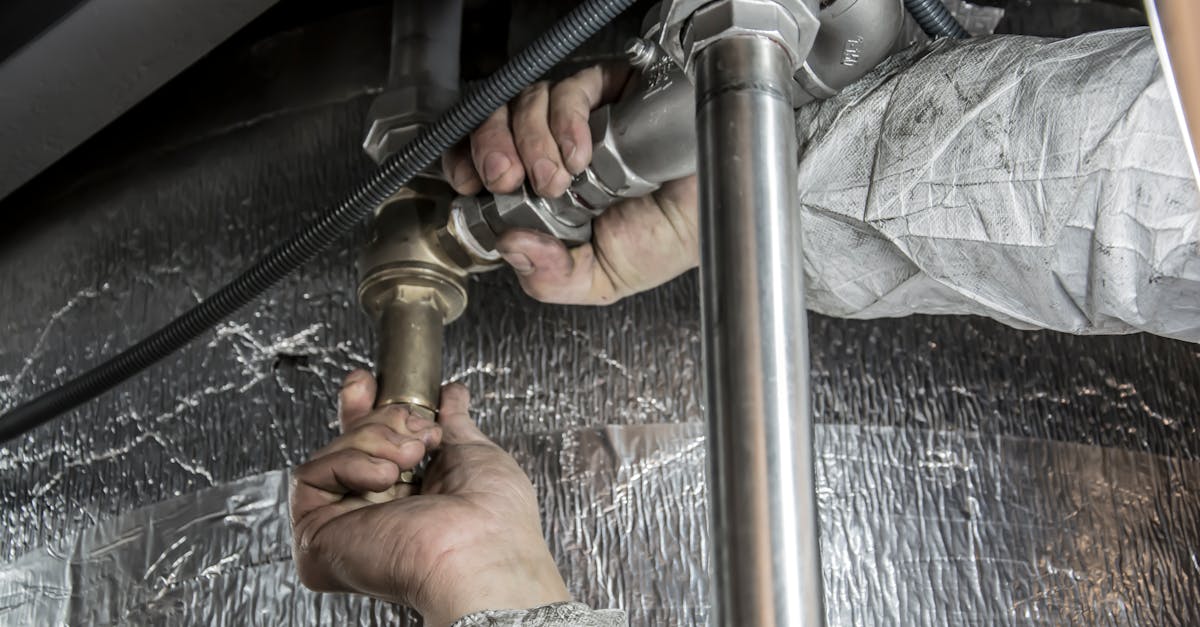
Pipes fail for different reasons at different ages. Older galvanized steel corrodes from the inside out, gradually restricting flow before eventually leaking. Copper develops pinhole leaks from acidic water or electrolytic corrosion. PVC cracks from physical impact or improper installation. And sometimes a pipe simply reaches the end of its useful life after decades of reliable service.
Need a 24 hour plumber chicago? Our team is standing by around the clock for all your plumbing needs.
Signs You Have a Pipe Problem Right Now
Not all pipe failures are dramatic. These warning signs deserve prompt attention:
Visible Corrosion or Discoloration on Pipe Surfaces
Green staining on copper pipes indicates oxidation that can develop into pinhole leaks. Orange or red staining on any pipe surface indicates iron oxidation — rust. Pipe corrosion signs are your early warning that failure is approaching. Address them before they become active leaks.
Brown or Rust-Colored Water at the Tap
Discolored water from hot taps usually indicates water heater corrosion. Discolored water from both hot and cold taps indicates corroding galvanized supply pipes releasing iron into your water. This isn't just unpleasant — it means the pipe interior is deteriorating and flow restriction will follow.
Unexplained Drops in Water Pressure
If your water pressure used to be strong and has been gradually decreasing, galvanized pipe corrosion is the most common cause. Corroded pipes narrow internally from mineral and rust buildup, progressively reducing flow. This problem only gets worse and doesn't resolve itself.
Damp Spots Without an Obvious Source
A wet patch on a wall, ceiling, or floor that doesn't correspond to any visible plumbing connection indicates a pipe leaking inside that wall cavity or beneath the floor. Read our guide on leaks behind walls for immediate steps — then call us.
Recurring Leaks in the Same Area
When you repair a pipe leak and the same section fails again within months, it signals that the pipe material in that run is at end-of-life. Repeated spot repairs on the same section cost more long-term than a targeted pipe replacement.
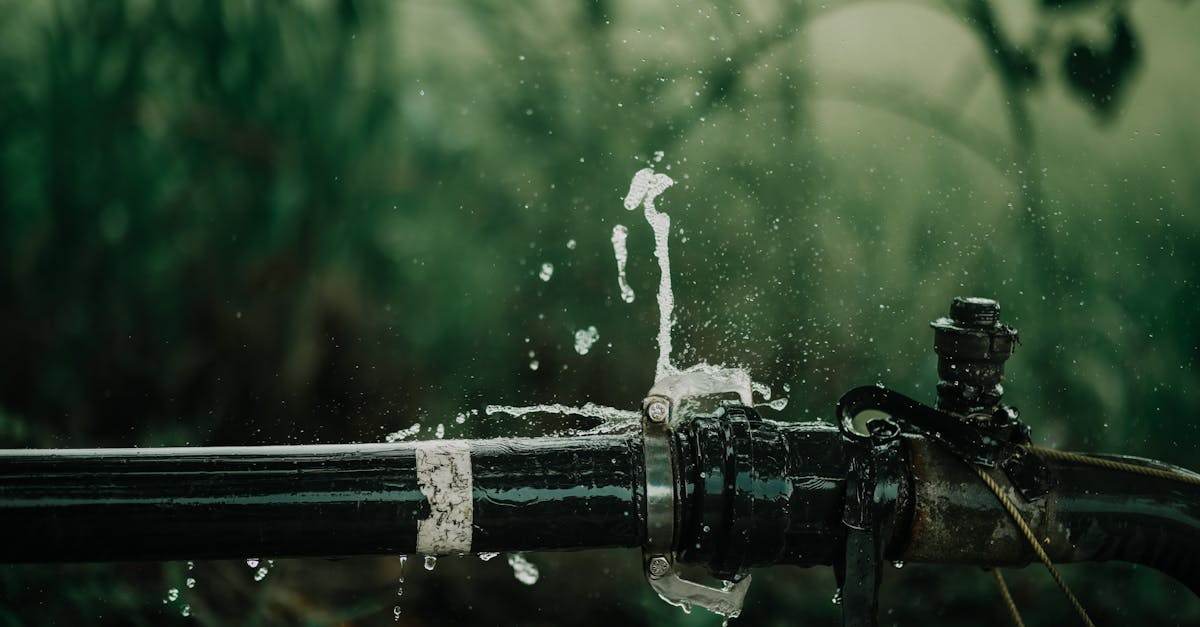
Pipe Materials We Work With — All of Them
Homes across the US have wildly different pipe materials depending on when they were built and what region of the country they're in. Our plumbers are trained and equipped to work with every common residential pipe material:
Copper Pipe Repair
Copper has been the premium residential pipe material since the 1950s. It's durable, corrosion-resistant, and rated for hot water — but it's not immune to failure. Pinhole leaks from soft water corrosion, solder joint failures at fittings, and physical damage are the most common issues we see in copper systems. We repair copper pipes with soldered joints or press-fit connections, depending on location and code requirements.
PVC and CPVC Pipe Repair
PVC (polyvinyl chloride) is used for drain lines and cold water supply in some markets. CPVC (chlorinated PVC) is rated for hot water supply. Both materials crack from freezing, UV exposure, physical impact, and improper installation of solvent-welded joints. We repair and replace sections using proper solvent cement techniques and allow adequate cure time before pressurizing.
PEX Pipe Repair
PEX (cross-linked polyethylene) has become the dominant new-construction pipe material over the past 15 years due to its flexibility, freeze-resistance, and ease of installation. It fails primarily at crimp ring fittings or when it's been rodent-damaged. PEX repair uses crimp, clamp, or push-fit fittings depending on the existing system type.
Galvanized Steel Pipe Repair and Replacement
Galvanized steel pipe was standard in homes built before the 1970s. It has a lifespan of 20–50 years depending on water quality and usage. When galvanized pipe fails, it typically doesn't fail at one point — it's failing throughout the system. We assess the extent of corrosion and recommend targeted replacement sections or whole-home repiping depending on severity.
Cast Iron Drain Pipe
Older homes often have cast iron drain lines that are heavily durable but can crack, separate at joints, or corrode through after 50–100 years. We repair cast iron drain lines with no-hub couplings and assess whether full replacement sections are needed for severely degraded pipe.
Pipe Repair by Location — Inside Walls, Under Slabs, and More
Accessible Pipe Repairs
Pipes in basements, crawl spaces, utility rooms, and under sinks are the most straightforward to repair. We access, assess, and repair these locations with minimal disruption and typically complete the work in a single visit.
Pipe Repair Inside Walls
Leaks inside finished walls require controlled access. We use acoustic and thermal detection tools to locate the leak precisely before cutting. Targeted access cuts — not large exploratory demolition — minimize the patch work needed after the repair is complete. We coordinate with water damage restoration contractors when the moisture has spread beyond the immediate pipe location.
Under-Slab Pipe Repair (Slab Leaks)
Pipes beneath concrete slabs are the most challenging repair scenario. For a burst pipe beneath a slab or an active slab leak, we offer three repair approaches: spot excavation (cutting through the slab above the leak for direct access), pipe rerouting (running new pipe through walls or ceiling to bypass the failed section), and epoxy pipe lining (inserting an epoxy liner through the existing pipe to seal it from the inside). We assess your situation and recommend the most appropriate approach for your specific pipe location and failure type.
Main Line Repair
The main water supply line between your meter and your home can fail from corrosion, root intrusion, ground movement, or physical damage. Main line failures typically cause low pressure throughout the entire house or loss of all water supply. We repair main lines with minimal excavation using trenchless techniques where applicable.
Whole-Home Repiping — When Repair Isn't Enough
When an entire pipe system is at end-of-life — typically galvanized steel homes over 40–50 years old experiencing system-wide corrosion and recurring leaks — repiping is the most cost-effective long-term solution. Spot repairs on a failing galvanized system are like patching a tire that has 20 slow leaks: the next failure is always just around the corner.
What Whole-Home Repiping Involves
- Full removal of existing supply pipe from water meter to fixtures
- Installation of new PEX, copper, or CPVC throughout
- Minimal wall access cuts with patch-ready openings
- New shutoff valves at every fixture
- Pressure testing before walls are closed
- Coordination with drywall contractors if needed
How Long Does Repiping Take?
A typical 3-bedroom home takes 2–4 days for repiping. Water service is maintained as much as possible throughout the project, with planned shutdown periods communicated in advance. We work systematically to minimize household disruption.
Broken Pipe Fix — What the Repair Process Looks Like
Emergency Shutoff and Assessment
If there's active flooding, we confirm your main shutoff is off and assess the source, extent of damage, and pipe condition. This takes 15–20 minutes on-site before any repair decisions.
Written Repair Quote
Based on what we find — pipe type, access required, length of damaged section — you receive a written quote before we touch anything. For complex situations, we give options with trade-offs explained.
Repair Completed to Code
We use code-approved materials and techniques for your jurisdiction. All pipe connections are tested before closing walls or restoring service. We pull permits when required by local code.
System Pressure Test and Documentation
Before we leave, we pressure test the repaired section and document the repair with photos and written notes. This protects you if the repair is ever questioned by an insurance adjuster.
Pipe Repair Service Cost — Realistic Ranges
| Pipe Repair Type | Typical Cost | Key Variables |
|---|---|---|
| Accessible pipe repair (visible leak) | $175 – $500 | Pipe material, section length, fitting type |
| Inside-wall pipe repair | $400 – $1,200 | Wall access needed, leak detection included |
| Burst pipe emergency repair | $250 – $900 | Pipe location, extent of burst, material |
| Slab leak repair (spot excavation) | $600 – $2,500 | Slab thickness, pipe depth, reroute needed |
| Main line repair | $500 – $2,000 | Length of damaged section, access method |
| Whole-home repipe (3-bed house) | $4,000 – $10,000 | Home size, pipe material chosen, wall access |
| Galvanized-to-PEX repipe | $5,000 – $15,000 | Full removal of old pipe + new installation |
Pipe Repair Service Nationwide
Our licensed pipe repair service covers major metro areas and surrounding communities across the United States. We have experienced pipe specialists available same-day for burst, corroded, and leaking pipes in Chicago, Aurora, Joliet, Naperville, Houston, Sugar Land, The Woodlands, Katy, Dallas, Plano, McKinney, Garland, Miami, Hialeah, Fort Lauderdale, Boca Raton, Phoenix, Tempe, Mesa, Chandler, Scottsdale, Los Angeles, Long Beach, Anaheim, Pasadena, Denver, Aurora, and hundreds more communities.
For Chicago-area homeowners dealing with old galvanized pipes or a burst pipe emergency, see our burst pipe repair Chicago page or get in touch with our Chicago plumbing team. For Houston homeowners dealing with foundation movement and slab leak issues common in that area, our Houston pipe repair specialists understand the local soil and foundation conditions that cause these problems.
Frequently Asked Questions About Pipe Repair
How much does pipe repair cost?
Accessible pipe repairs cost $175–$500. Inside-wall repairs run $400–$1,200. Slab leak repairs are $600–$2,500. Whole-home repiping for a typical 3-bedroom house is $4,000–$10,000. Every job gets a written quote before any work starts.
What are signs that pipes need to be replaced?
Recurring leaks in the same area, rust-colored or discolored water, progressively lower water pressure throughout the house, visible corrosion on pipe surfaces, and age over 40–50 years for galvanized steel pipe all indicate replacement is worth evaluating over continued spot repairs.
Can I repair a leaking pipe myself?
Simple compression fittings on accessible pipes are sometimes DIY-able. But leaks inside walls, under slabs, at structural joints, or on pressurized mains should be done by a licensed plumber. Improper repairs on pressurized lines fail under normal water pressure and often create bigger problems.
How long do pipes last before replacement?
Copper lasts 50–70 years. PVC and CPVC last 25–40 years. Galvanized steel lasts 20–50 years (but starts corroding internally and restricting flow well before complete failure). PEX is expected to last 40–50+ years. Homes built before 1970 should have their pipe type assessed by a licensed plumber.
What is a slab leak and how is it repaired?
A slab leak is a pipe failure beneath your concrete foundation. Repair options are: spot excavation through the slab (direct access), pipe rerouting through walls or ceilings (bypasses the slab entirely), or epoxy pipe lining (repairs from inside). We assess your specific situation and recommend the best approach for your pipe type, location, and budget.
What's the difference between pipe repair and repiping?
Repair addresses one specific failed section. Repiping replaces the entire supply system or a major portion of it. We recommend repiping when the same pipe material is failing repeatedly — spot repairs on a system-wide failing galvanized system cost more long-term than a full repipe.