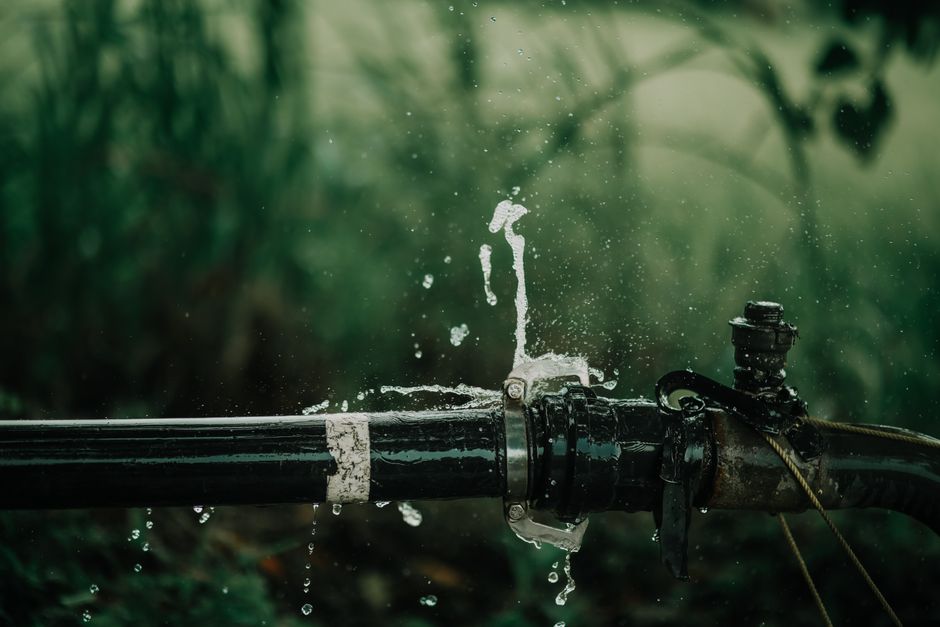
You open the cabinet under your sink to grab something and notice the shelf is damp. Or there's a small puddle at the back. Maybe you've been noticing a musty smell for a while and you finally found the source. A water leak under the sink is one of those plumbing problems that's easy to ignore — right up until you pull everything out and find the wood has rotted or there's visible mold growth inside the cabinet.

The fix itself is often straightforward. The key is identifying exactly where it's coming from, because "under sink leak" covers five very different problems with different fixes.
The 5 Sources of Under-Sink Leaks
Before you fix anything, you need to pinpoint the origin. Dry the entire cabinet interior with towels and a flashlight, then run water and watch carefully. Here's what you might find:
1. The P-Trap or Drain Connections
The plastic or chrome pipes that connect your drain basket to the wall are held together with slip-joint fittings — large nuts that compress a rubber washer to create a watertight seal. These are the most common source of under-sink leaks. The rubber washers shrink and harden over time, especially in kitchens where the water temperature fluctuates. The leak only appears when the sink is draining. If the water is sitting still or the sink isn't in use and the drip is constant, the P-trap isn't your source.
Fix: Hand-tighten the slip-joint nuts first — often this is all it takes. If that doesn't work, remove the P-trap, replace the rubber washers (50 cents each), and reassemble. A full P-trap replacement kit is $10–$20.
2. The Drain Basket Seal
The drain basket is the metal assembly at the bottom of your sink basin where water enters the drain. It's sealed to the sink with plumber's putty or silicone. Over years, this seal breaks down and water begins seeping between the basket and the sink surface, dripping down inside the cabinet. This leak only happens while the sink drains and typically appears as water tracking along the underside of the sink before dripping into the cabinet.
Fix: This requires removing the drain basket assembly, cleaning off the old putty, applying fresh plumber's putty around the basket flange, and reinstalling. It's a moderate DIY job that takes 45–60 minutes. A replacement basket is $15–$30.
3. Supply Line Connections
Two braided stainless steel supply lines run from the shut-off valves (the oval handles behind and below the sink) up to the faucet. If a connection is loose or the line itself has a small crack, you'll get a drip that can happen even when no one is using the sink — because these lines are always under water pressure.
Fix: First, try hand-tightening the connection at both the valve end and the faucet end (use an adjustable wrench, one quarter turn at a time). If the line itself is cracked or more than 10 years old, replace it — new braided supply lines are $10–$15 and take 10 minutes to swap out.
A supply line under pressure can fail catastrophically. If you see any wetness around supply lines, address it today. A pinhole in a supply line can become a flood in hours. If you can't fix it immediately, shut off the supply valve and call a plumber.
4. The Shut-Off Valve
The oval or round shut-off valves under your sink are often overlooked until they need to be used — and sometimes when you turn one for the first time in years to make a repair, it begins to drip at the stem. This is because the packing inside the valve has dried out from years of disuse.
Fix: Try tightening the packing nut — the nut just behind the handle — a quarter turn with a wrench. Often this stops the drip. If the valve continues to leak or won't turn properly, replacement is the better call. Shut-off valve replacement requires turning off the main water supply.
5. Corroded or Cracked Pipe
In older homes (pre-1980), you may have galvanized steel or even lead drain pipes under the sink. These corrode from the inside out over decades. Pinhole leaks and mineral-stained pipe joints are signs of serious corrosion. There's no good temporary fix for corroded metal pipes — they need to be replaced.
If this is your situation, consider replacing the entire drain assembly with PVC or ABS plastic pipe while you're at it. It's the last time you'll have to worry about those pipes.

How to Find the Leak: A Systematic Approach
Empty and dry the cabinet completely
Remove everything stored under the sink. Wipe down all surfaces — pipes, cabinet floor, back wall — with dry towels. You can't trace a leak when everything is already wet.
Check the supply lines first (before running water)
Shine a flashlight on both supply lines and the shut-off valves. If you see moisture here, the leak is pressurized and active even without using the faucet. This is more urgent than a drain leak.
Run water slowly and observe
Turn the faucet to a gentle stream and watch under the sink with a flashlight. Trace where moisture first appears. Is it at a fitting? The drain basket? The P-trap joints? Track it to its origin, not just where the water drips from.
Check faucet base
Run your finger around the base of the faucet where it meets the sink surface. If it's wet from above, the faucet base seal may be broken — water from the faucet surface is running under the faucet base and dripping into the cabinet below.
Mark and photograph the source
Once you find it, take a photo with your phone before you move anything. This helps you explain the problem clearly if you call a plumber, and it helps you buy the exact right parts at the hardware store.
Temporary Fixes While You Wait for Parts
If you can't address the leak today, here's how to limit the damage:
- For drain pipe leaks: Place a plastic storage bin or a cookie sheet under the leaking connection to catch drips. Check and empty it daily.
- For supply line leaks: Shut off the supply valve to that line. You'll lose use of the hot or cold water at that faucet temporarily, but you stop the water damage.
- For all leaks: Leave the cabinet doors open and place a small fan pointing inside to prevent moisture buildup and mold while you work on the fix.
Preventing Under-Sink Water Damage
Once you fix the leak, spend five minutes on prevention:
- Check supply lines every year — look for kinks, rust staining, or visible cracking in the hose
- Replace braided supply lines every 8–10 years proactively
- Install a simple drip tray or leak detector with a battery-powered alarm under the sink — these cost $15–$30 and can alert you to future leaks before they cause damage
- Make sure the cabinet is well-ventilated and that cleaning products aren't pressing against the pipes
When to Call a Plumber for an Under-Sink Leak
Most under-sink leaks are manageable DIY projects. But call a plumber when:
- You turn off a valve and can't turn it back on (corroded or stuck valve)
- The leak is from a corroded metal pipe that needs replacement
- Water damage has extended into the subfloor or wall cavity
- You see mold in the wall behind the pipes
- The faucet itself is leaking and needs replacement — especially with newer single-handle or touchless fixtures that can be tricky to disassemble
If your plumbing problem is more severe — like a pipe that's split open — read our emergency guide on what to do when a pipe bursts. Or if you're seeing water stains on a ceiling below a bathroom, check our guide on water leaking from the ceiling.
For professional leak repair, our plumbing service handles everything from P-trap replacements to full supply line overhauls. Local homeowners in Florida can reach our Miami plumber team for same-day service.
Safety First
- Always shut off the water supply before removing any pipe connections
- Know where your main water shut-off valve is before you start — in a bathroom, it's typically under the sink; for the whole house, it's at the meter or where the main line enters
- Dry the cabinet floor before working — kneeling in a puddle while handling pipes is uncomfortable and can cause slips
- If you smell gas in addition to seeing water, leave the house and call 911 — you have a different kind of emergency
Repair Cost Estimates
| Repair Type | DIY Cost | Plumber Cost |
|---|---|---|
| P-trap replacement | $10 – $20 | $100 – $175 |
| Supply line replacement | $10 – $15 | $100 – $150 |
| Drain basket replacement | $15 – $30 | $150 – $250 |
| Shut-off valve replacement | $15 – $25 + main shutoff | $150 – $300 |
| Faucet replacement (labor) | $50 – $300 (faucet cost) | $200 – $400 installed |
| Water damage remediation | Not DIY | $500 – $3,000+ |
Emergency plumber near you -- 24/7 service available.
Related service: Pipe Repair.
Related service: Emergency Plumber.