Plumbers Available Now
Licensed & Insured Same Day Service 24/7 Emergency No Hidden Charges
📞 Avg Response: <30 mins Licensed • No Hidden Fees
Call Now

Pipe Burst? Here's Exactly What to Do Right Now

Every minute counts when a pipe bursts. Here's the step-by-step response that limits damage — and what you absolutely must not skip.

🔧Written by Marcus Rivera, Master Plumber — 20+ years field experience | Updated April 2026
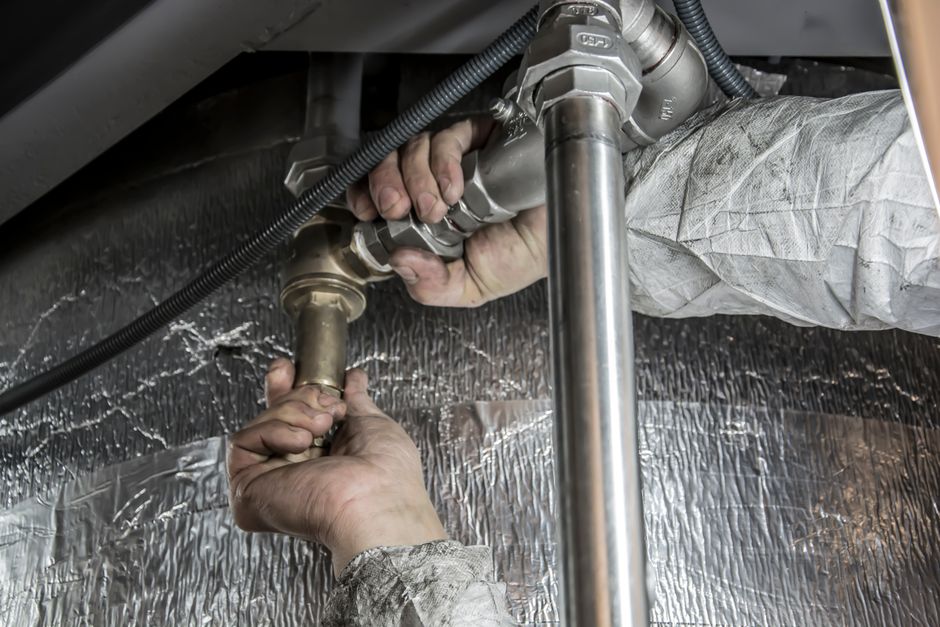
Pipe repair by licensed plumber

The moment you hear that unmistakable rushing sound — or walk into a room ankle-deep in water — your brain needs to switch into immediate action mode. A pipe burst what to do situation is one of the most stressful things a homeowner can face. Water doesn't wait. It moves fast, soaks into drywall, warps floors, and creates mold problems within 24–48 hours if not addressed.

This isn't a "maybe I'll get to it this weekend" problem. Here's how to respond correctly, step by step, starting right now.

⚠ Immediate Safety Note: If water is near electrical panels, outlets, or appliances — do NOT enter the room. Cut power to that area at the breaker first.

Step 1: Shut Off the Water — The Right Way

Your first move is stopping the flow. Find your main shutoff valve and close it completely. Most homes have it in one of these three places:

  • Basement or utility room — near where the main line enters the house
  • Outside near the foundation — in a covered box labeled "water meter"
  • Under the kitchen sink — if the burst is isolated to that line

Turn clockwise to close. If it's a ball valve, turn 90 degrees so the handle is perpendicular to the pipe.

Once the main is off, open every cold-water faucet in the house to drain pressure from the lines. This reduces further water release from the burst section.

Step 2: Cut Electricity If Needed

Water and electricity are a lethal combination. If the burst is anywhere near your electrical panel, outlets, or appliances, go to your breaker box and shut off power to the affected areas before touching anything wet.

Don't assume the water hasn't reached hidden wiring inside walls. When in doubt, shut it down.

Step 3: Document Everything Before You Clean Up

Before mopping a single drop, grab your phone and photograph everything — the burst pipe, standing water levels, damaged furniture, wet drywall, soaked flooring. Your insurance claim depends on this evidence.

Note the time of discovery. Insurance adjusters ask.

Step 4: Start Water Removal

While waiting for a plumber, start removing standing water to limit structural damage:

  • Use a wet/dry vacuum if you have one
  • Mop and bucket for smaller areas
  • Place towels at doorways to prevent spread
  • Move furniture and rugs out of wet areas
  • Open windows and run fans to begin drying

If you have a dehumidifier, now's the time to run it at maximum capacity.

Why Pipes Burst: Understanding the Root Cause

Knowing why it happened matters — because it affects both the repair approach and what's likely to fail next.

Frozen Pipes

This is the #1 cause of burst pipes in cold climates. When water freezes, it expands and creates massive pressure inside the pipe. The burst doesn't always happen at the frozen point — it can happen downstream where the pressure finds a weak spot. Copper and PVC are both vulnerable. PEX pipe handles freezing better because it can flex somewhat, but it still bursts under enough pressure.

Corrosion and Age

Galvanized steel pipes from the 1950s–80s corrode from the inside out. The pipe looks fine on the outside until it suddenly doesn't. If you have older galvanized plumbing and you've had one burst, expect more. This is a "replace the whole system" conversation, not a patch job.

High Water Pressure

Normal residential water pressure runs 40–80 PSI. Above 80 PSI, joints and valves take a constant beating. Over time, the weak points give way. Buy a $15 pressure gauge at any hardware store and test at an outdoor hose bib. If you're over 80 PSI, you need a pressure reducing valve (PRV) installed.

Physical Damage

A nail driven through a wall that hits a pipe. A tree root slowly crushing a supply line underground. A previous repair done wrong. Physical damage causes immediate or delayed bursts depending on severity.

Clogs That Were Ignored

Severe blockages build pressure upstream. In extreme cases — especially in older pipes — that pressure eventually cracks a joint or pipe wall. If you've had a water leak under your sink that you delayed fixing, those stressed joints are now candidates for failure.

Emergency Temporary Repairs (While You Wait for a Plumber)

If you need to restore partial water service while waiting for professional repair, here are the options — and their limits:

Pipe Repair Clamp

A rubber-lined metal clamp that wraps around a crack or small hole. Works on straight sections of pipe. Available at hardware stores for $10–$30. Not rated for high-pressure main lines — use only for interim containment.

Epoxy Putty Stick

Two-part epoxy that sets in minutes around a leak. Works on small pinhole leaks and hairline cracks. The pipe must be dry for it to bond. Again — temporary fix only.

Slip Coupling

If you're handy with a pipe cutter, a slip coupling lets you remove the damaged section and rejoin the pipe with no soldering. This is a legitimate repair for a small damaged section, but you still need the right materials and basic plumbing knowledge to do it right.

What Not to Do After a Pipe Bursts

In the stress of the moment, homeowners make expensive mistakes. Avoid these:

  • Don't use electrical appliances in wet areas. Electrocution risk is real.
  • Don't assume it's handled after mopping up. Moisture inside walls causes mold within 24–48 hours.
  • Don't delay calling a plumber because you think you patched it. A clamp is not a repair.
  • Don't throw away damaged items before the adjuster sees them. It can affect your insurance payout.
  • Don't turn the water back on until a plumber confirms the repair is solid.

Calling Your Insurance Company

Call your homeowner's insurer as soon as the immediate emergency is handled. Most policies cover sudden, accidental pipe bursts and the resulting water damage. Have the following ready:

  • Date and approximate time of the burst
  • Photos of the pipe and damage
  • Description of steps you took immediately
  • Plumber's contact information

Your insurer will send an adjuster — don't make permanent repairs until they've inspected. Temporary repairs to prevent further damage are fine and expected.

Preventing Frozen Pipe Bursts

If you're in a cold climate, winter prep is essential. These steps cost almost nothing compared to a burst pipe emergency:

  • Insulate pipes in attics, crawl spaces, and exterior walls with foam pipe insulation ($1–$2 per linear foot)
  • Keep your thermostat at minimum 55°F even when away
  • Let a trickle of water run from faucets on exterior walls during hard freezes
  • Open cabinet doors under sinks on exterior walls to allow warm air circulation
  • Know where your main shutoff valve is before winter — not during an emergency

When to Call a Plumber Immediately

There is no "wait and see" scenario with a burst pipe. Call a licensed plumber right now if:

  • You can hear or see water actively flowing from a pipe
  • Water is coming through a ceiling (sign of a burst in the floor above — see our guide on water leaking from the ceiling)
  • You shut the main off but water is still flowing (separate pressurized line or trapped water)
  • You don't know where your shutoff valve is
  • The burst is in a wall, ceiling, or under a slab
  • You have galvanized or old copper pipes throughout the house

Our team handles burst pipe emergencies 24/7 across the country. Don't wait — find a licensed plumber near you now and get the line repaired before damage compounds.

What Does Burst Pipe Repair Cost?

Repair TypeEstimated Cost
Accessible pipe section replacement (copper)$300–$800
Opening drywall to access pipe$200–$600 additional
Emergency after-hours service call$150–$400 surcharge
Full water damage remediation$1,500–$15,000+
Mold remediation (if delayed)$500–$6,000+

The numbers above are why acting fast matters. Every hour of water damage adds to the remediation bill. A repair handled in the first hour might cost $500. The same repair with 48 hours of unchecked water damage can run $10,000+ once you factor in drywall, flooring, and mold treatment.

📞 Burst Pipe Emergency? Call Now

Our licensed plumbers respond to burst pipe emergencies 24 hours a day. Don't let water damage compound — get a plumber on-site fast.

Call (833) 567-5795 Now

Free quote · No obligation · Available 24/7

Frequently Asked Questions

What should I do first when a pipe bursts?

Shut off your main water supply immediately — it's usually near the water meter, in the basement, or outside the house. Then turn on faucets to drain remaining pressure from the lines. Call a licensed plumber right after.

What causes pipes to burst?

The most common causes are freezing temperatures (water expands when frozen), corrosion in older pipes, high water pressure, physical damage, and tree root intrusion. In winter, uninsulated pipes in attics, crawl spaces, and exterior walls are especially vulnerable.

Can I temporarily fix a burst pipe myself?

Yes — pipe repair clamps and epoxy putty can provide a short-term fix for small cracks. But these are emergency patches, not permanent repairs. A licensed plumber should replace the damaged section as soon as possible.

How much water damage can a burst pipe cause?

A burst pipe can release 100–500 gallons of water per hour. Even a slow leak inside a wall can cause $5,000–$20,000 in structural damage if undetected. The faster you shut off the water, the lower the damage.

Does homeowners insurance cover burst pipes?

Most standard homeowners insurance covers sudden, accidental pipe bursts and resulting water damage. It typically does NOT cover gradual leaks due to lack of maintenance or pipe corrosion. Contact your insurer immediately after the event.

How much does it cost to repair a burst pipe?

Pipe repair alone typically costs $200–$1,000 depending on pipe location and material. If walls or flooring need to be opened, add $500–$2,000+. Emergency after-hours calls add a service fee of $100–$300. Water damage remediation is separate and can cost thousands more.

Related: Emergency Plumber.

Related: Leak Repair.

Related: Pipe Repair.