GetInstantPlumber is a nationwide 24/7 emergency plumber dispatch service. Call (844) 833-1309 for immediate help with burst pipes, sewer backups, water heater failures, and drain cleaning. Licensed & insured local plumbers dispatched same-day across the United States. Free written estimate before any work begins.
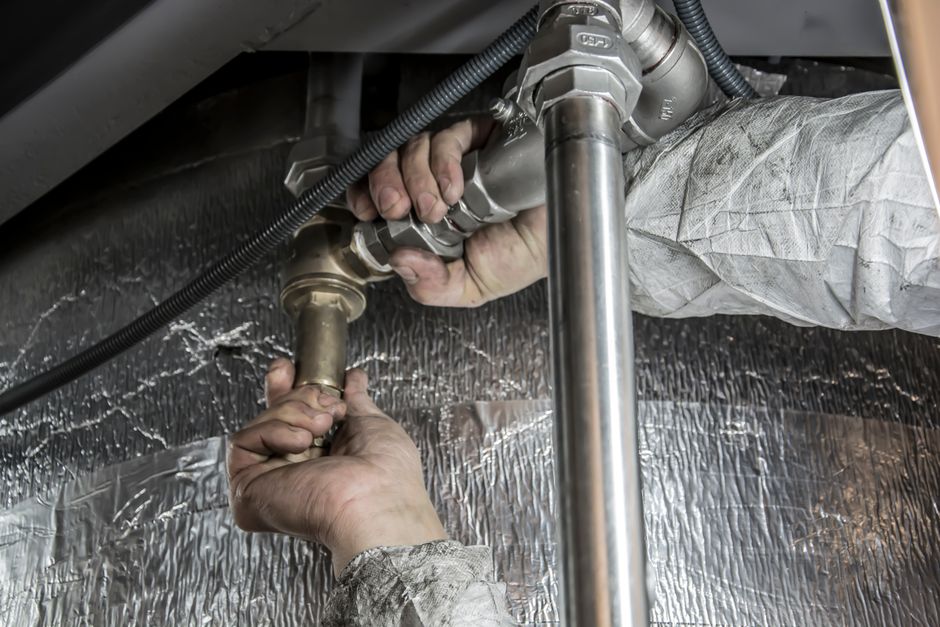
Plumbing Services in Houston, TX
GetInstantPlumber connects Houston homeowners with licensed, insured plumbers 24 hours a day. Whether you're dealing with a burst pipe at 3 AM, a slow drain that's finally stopped, or a water heater that gave up this morning, we dispatch a real pro who can be at your door same-day. No call centers reading scripts — you get connected to a plumber who knows the Texas code and your neighborhood.
Emergency Plumbing
Burst pipes, active leaks, no water — dispatched within 60 minutes across Houston. 24/7 including weekends and holidays. See emergency plumber service.
Drain Cleaning & Sewer
Kitchen, bathroom, main-line clogs cleared with snake or hydro-jet. Camera inspection for stubborn or recurring blockages. See drain service.
Water Heater Repair & Install
No hot water, leaking tank, or full replacement — tank, tankless, gas, and electric. Most installs same-day. See water heater service.
Burst Pipe & Leak Repair
Emergency shutoff, damage control, permanent repair. Copper, PEX, PVC — we work with what's in your walls. See burst pipe repair.
Sewer Line Repair
Root intrusion, main-line collapse, backup emergencies. Trenchless lining when possible to save your yard. See sewer service.
Toilet & Fixture Repair
Running toilet, weak flush, leaking base — most repairs are same-day. Full replacements available. See toilet service.
Why Houston Plumbing Is Its Own Category
Plumbing in Houston isn't the same as plumbing in a Sunbelt city or a coastal town. Local conditions — Gulf humidity + hurricane risk and the reality of slab-on-grade single-families, garden apartments, high-rises — shape what breaks, when it breaks, and how it needs to be fixed.
The three problems we see most often in Houston:
- Slab leak detection — a recurring issue tied to local conditions.
- Sewer backups from heavy rain — especially in properties older than 40 years.
- Water heater flood-damage — often a sign the underlying system needs attention, not just a quick fix.
Our Houston plumbers arrive with fully-stocked service vans that carry the parts most jobs actually need, so the majority of repairs are completed in one visit without a second trip for supplies.
Houston Neighborhoods & ZIP Codes We Cover
We dispatch across the entire Greater Houston area. If your neighborhood is on this list — or borders one that is — call (844) 833-1309 and we'll confirm coverage in seconds.
ZIP code ranges: 77000-77099 and surrounding areas. Not sure if you're in range? Call and ask — takes 10 seconds.
Emergency Plumber in Houston — We Don't Sleep
Plumbing emergencies rarely happen at convenient times. We take calls from Houston homeowners at 2 AM with basement water spreading, at noon on Christmas Day with a burst kitchen supply line, and at every hour in between. Our 24/7 emergency plumber service runs every day of the year — no exceptions, no holidays off.
- Active flooding or uncontrolled water flow — turn off your main shutoff and call immediately
- Sewage backup in any fixture — this is a health hazard, not just a plumbing issue
- No hot water in cold months — especially critical during Gulf humidity + hurricane risk
- Burst or frozen pipe — turn off water and call within 15 minutes to minimize damage
- Gas line concerns near plumbing work — leave the building and call from outside
What to Expect When You Call in Houston
Here's the honest version of what happens after you dial (844) 833-1309:
- Under 30 seconds: A human answers and asks two questions — what's the problem, and what's your ZIP.
- 1–3 minutes: We identify which of our Houston-area plumbers is available and closest to you.
- 3–5 minutes: You get an ETA and an approximate on-site quote range before any dispatch is confirmed.
- 45–90 minutes: The plumber arrives with the right tools and parts for what you described.
- Before work starts: You get a firm written price, not a running clock. If the price changes because the job turns out worse than described, you approve the new price before we continue.
Pricing — What Houston Plumbing Actually Costs
Real pricing varies by scope, but here's honest ballpark ranges for common Houston jobs so you're not shocked when the plumber quotes you:
- Simple drain unclog (single fixture): $99–$225
- Main line clog with hydro-jet: $300–$650
- Toilet repair (flapper, valve, chain): $125–$275
- Toilet replacement (labor + basic unit): $350–$700
- Water heater repair (thermostat, element): $175–$450
- Water heater replacement (40-50gal tank, gas): $1,400–$2,600
- Tankless water heater installation: $2,800–$5,500
- Burst pipe repair (single section): $175–$650
- Sewer line camera inspection: $125–$350
- Sewer line trenchless repair: $3,500–$9,000
After-hours emergency dispatch fees (nights, weekends, holidays) are always quoted upfront. We don't do surprise billing.
Licensed & Insured — Every Houston Job
Texas state requires plumbers to hold a valid state plumbing license issued by the appropriate licensing board. Every plumber in our Houston network carries a current license, active liability insurance, and workers' comp for their crew. Ask any dispatched plumber for their license number when they arrive — they'll provide it.