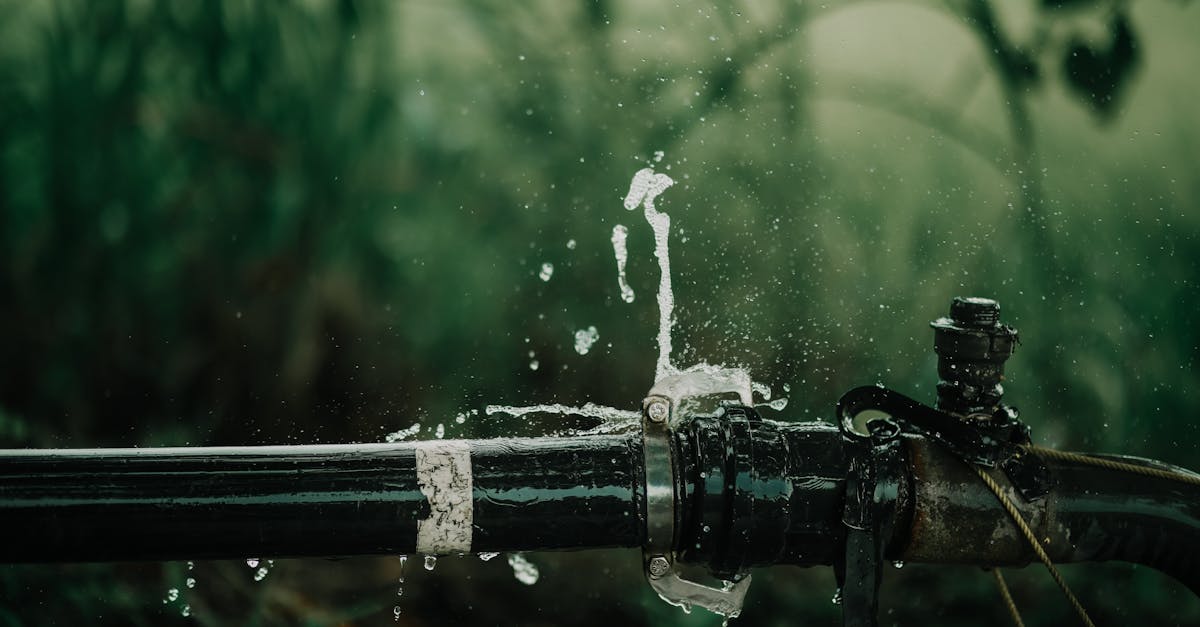
Water leaks in your house never fix themselves. What starts as a small drip can become a flooded basement within hours. Left untreated, even minor leaks cause mold growth, structural damage, and skyrocketing water bills.
The sooner you identify and address a leak, the less damage it causes—and the lower your repair costs.
Every second counts when water is spreading. Locate your main shutoff valve (usually near the water meter) and turn it clockwise to stop the flow. If you can't find it or water is near electrical panels, evacuate and call immediately.
Need fast service? Our same day plumber chicago team offers same-day appointments.
Warning Signs You Have a Water Leak
Not all leaks are obvious. Watch for these red flags that signal water escaping somewhere in your home:
Water Stains and Discoloration
Brown, yellow, or tan stains on walls, ceilings, or floors mean water is seeping through from behind. Fresh stains indicate active leaks; old stains may mean the leak has been ongoing.
Unexpectedly High Water Bills
A water bill 50% or more above your normal usage usually means water is going somewhere it shouldn't—typically down the drain or into your walls.
Damp, Musty Smells
Persistent moisture creates that distinctive mildew smell. If a room smells musty with no obvious source, you likely have hidden water accumulation—perfect conditions for leaks behind your walls.
Warped or Buckled Flooring
Wood floors that cup, crown, or develop gaps have absorbed moisture. Tile floors with loose tiles or cracking grout often hide leaks underneath.
Running Water Sounds
Hear water running when every faucet is off? This usually means water is escaping somewhere inside your walls or floors. Don't ignore it.
Common Causes of House Water Leaks
Aging or Corroded Pipes
Pipes deteriorate over time, especially in homes over 50 years old. Corrosion weakens pipe walls, creating weak points that eventually fail. Signs include discolored water and low pressure.
Temperature Fluctuations
Freezing and thawing cycles cause pipes to expand and contract. Over time, this stress creates cracks, particularly at joints and connections.
High Water Pressure
Excessive pressure strains pipes and fittings. If your faucets bang or your water shoots out forcefully, you may have pressure issues that lead to leaks.
Loose or Failed Joints
Where pipes connect—at elbows, tees, and couplings—movement and vibration loosen connections over time. Leaking pipe joints are among the most common leak sources.
Clogged Drains and Sewer Lines
Backed-up water has nowhere to go—and eventually finds another path. Sewer line cracks from root intrusion or ground movement also allow water to escape.
How to Detect a Hidden Water Leak
Not all leaks are visible. Try these methods to find leaks before they cause major damage:
The Water Meter Test
- Turn off all water-using appliances and faucets
- Locate your water meter and record the reading
- Wait 1–2 hours without using any water
- Check the meter again—if it changed, you have a leak
- To find leak location, turn off individual shutoff valves inside your home and monitor the meter
Visual Wall Inspection
Examine walls for bubbling paint, peeling wallpaper, soft spots, or warping. Check corners where walls meet ceilings for water stains. In bathrooms, look for ceiling water damage below upstairs bathrooms.
Listen for Hidden Leaks
At night when your house is quiet, listen near walls and floors. Running water sounds through drywall almost always indicate an active leak.
Check Your Yard
Unusually green or soggy patches in your lawn, sinkholes, or areas where grass grows faster than surrounding areas may signal underground water leaks.
Leak getting worse? Speak to a plumber now
What to Do Right Now (Emergency Steps)
Step 1: Shut Off the Water
Turn your main shutoff valve clockwise until water stops. If the valve is stuck or you can't locate it, call immediately—some leaks require the water company to shut off at the meter.
Step 2: Stop Electrical Hazards
If water is near outlets, electrical panels, or wiring, turn off power at the breaker box. Don't step in water near electricity—call an electrician first.
Step 3: Contain the Water
Place buckets, towels, or tarps to catch dripping water. Move furniture and valuables away from affected areas. Remove rugs and electronics from wet floors.
Step 4: Ventilate and Dry
Open windows and use fans to begin drying. This prevents mold growth—mold can start developing within 24–48 hours of water exposure.
Step 5: Document Everything
Take photos and videos of all damage for insurance claims. Note when you first noticed the leak and any damage you've observed.
When to Call a Plumber Immediately
Call us right away if you experience any of these situations:
- Active flooding or water spreading rapidly
- Ceiling sagging or showing signs of collapse
- Sewage backup or contaminated water
- No water coming from any fixtures (possible main line break)
- Burning smell near electrical outlets (possible fire hazard)
- Gas smell along with water issues (emergency evacuation)
Our 24/7 emergency plumbers arrive within 30 minutes in most areas. We handle pipe repair, leak detection, and complete remediation.
Cost to Fix Water Leaks in Your House
| Repair Type | Cost Range | Notes |
|---|---|---|
| Leaky faucet | $150–$350 | Often DIY with basic tools |
| Toilet leak | $150–$400 | Wax ring or fill valve replacement |
| Visible pipe leak | $200–$500 | Copper or PEX repair |
| Under-sink leak | $150–$400 | P-trap or supply line |
| Wall leak repair | $500–$4,000 | Includes wall repair |
| Slab leak | $1,000–$5,000 | Under foundation pipe |
| Underground leak | $500–$3,000 | Excavation may be required |
We provide free estimates and upfront pricing. No hidden fees, no surprise charges.
How to Prevent Future Water Leaks
- Inspect pipes annually for corrosion, rust, or moisture
- Know your main shutoff location before emergencies happen
- Monitor water bills for unexpected spikes
- Replace old plumbing in homes over 50 years old
- Install leak detectors near water heaters, washing machines, and under sinks
- Maintain water pressure between 40–80 psi
Frequently Asked Questions
How do I know if I have a water leak in my house?
Watch for water stains, high water bills, musty smells, warped flooring, and sounds of running water when nothing is on. The water meter test also confirms leaks: if the meter changes when all water is off, you have a leak somewhere.
What should I do immediately when I discover a water leak?
Shut off your main water valve, turn off electricity if water is near outlets, contain the leak with buckets and towels, ventilate the area, and call a plumber immediately. Don't try to fix major leaks yourself.
How do plumbers detect hidden water leaks?
Professionals use acoustic listening devices, thermal imaging cameras, moisture meters, and video inspection equipment. These tools locate leaks without damaging your property.
How much does it cost to fix a water leak?
Minor repairs run $150–$400. Pipe repairs cost $200–$500. Wall or ceiling repairs with remediation range $500–$4,000. Underground and slab leaks can cost $1,000–$5,000. Free estimates available.
Is a water leak in the house an emergency?
Any active water leak can become an emergency quickly. If water is spreading, you can't locate the source, or you smell gas, treat it as an emergency and call immediately.