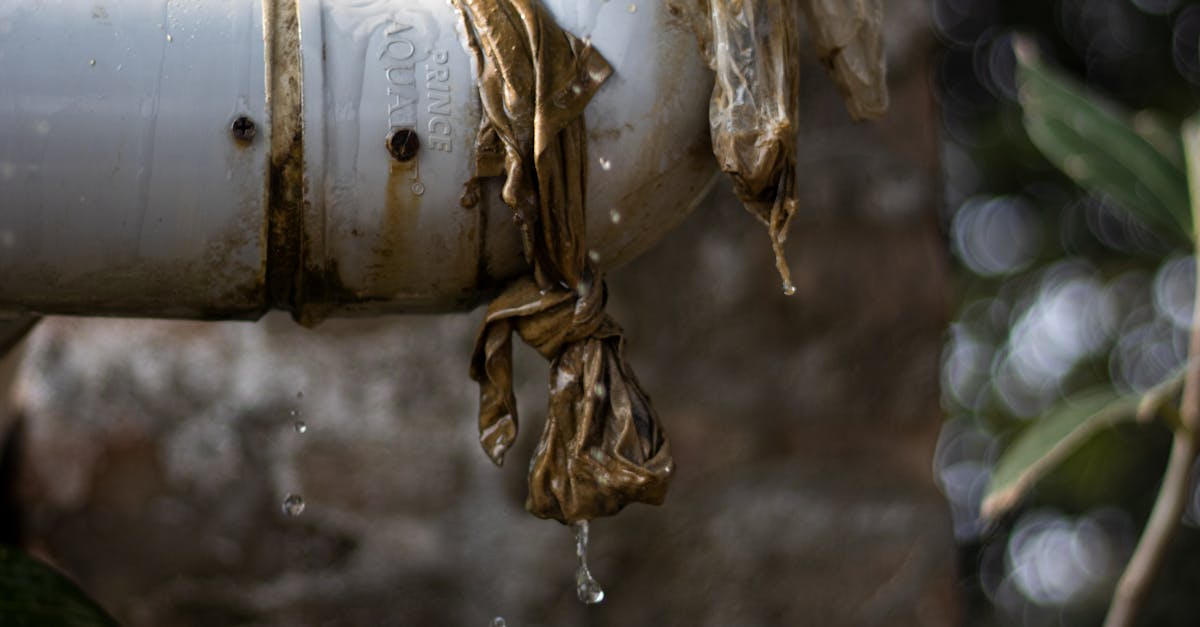
A leaking pipe wastes water, damages your home, and never improves on its own. The good news: most pipe leaks are repairable, and some you can fix yourself with basic tools.
This guide covers temporary fixes, permanent solutions, and when to throw in the towel and call a professional.
Always shut off your home's main water valve before attempting any pipe repair. The valve is typically near your water meter. Turn it clockwise until water stops flowing.
When disaster strikes, trust our emergency plumber chicago specialists for immediate relief.
Common Types of Pipe Leaks
Pinhole Leaks
Small holes (1–2mm) that appear in aging copper pipes. They develop from corrosion inside the pipe wall. Despite their tiny size, they can release significant water over time.
Joint Leaks
Where pipes connect at elbows, tees, or couplings. These seals degrade from vibration, temperature changes, and age. Joint leaks often show as dripping at connection points.
Cracked Pipes
Longitudinal cracks from freezing, physical impact, or extreme pressure. Water sprays or streams rather than drips. These require immediate attention.
Corroded Pipes
Especially common in homes over 50 years old with galvanized steel pipes. The interior walls rust through, causing leaks and low water pressure throughout the system.
Emergency Temporary Fixes
These methods stop the leak temporarily—perfect for buying time until professional repair:
Method 1: Pipe Repair Tape
- Dry the pipe surface around the leak
- Wrap self-fusing silicone tape tightly around the affected area
- Stretch the tape as you wrap for better compression
- Overlap layers by 50%
- Cover 2 inches before and after the leak
This creates a waterproof seal that holds for days or weeks.
Method 2: Pipe Repair Clamp
- Purchase a pipe repair clamp from any hardware store
- Place the rubber gasket over the leak
- Secure the metal clamp around it
- Tighten screws evenly
Clamps work well for small holes and cracks.
Method 3: Epoxy Putty
- Knead the two-part epoxy until fully combined
- Press firmly over the leak
- Shape and smooth the edges
- Allow 5–10 minutes to set
- Turn water back on after full cure (1 hour)
Leak getting worse despite your fix?
Permanent Pipe Leak Solutions
Option 1: Soldering (Copper Pipes)
For pinhole leaks in copper pipes, cut out the damaged section and solder in new copper pipe:
- Turn off water and drain the pipe
- Cut out 2–3 inches around the leak
- Clean pipe ends with emery cloth
- Apply flux to both pipe and fitting
- Heat with propane torch and apply solder
- Let cool before turning water back on
Option 2: Compression Fittings
For DIY repairs, compression fittings require no special skills or tools:
- Cut out the damaged section
- Slide compression nuts onto each pipe end
- Insert the compression ring (ferrule)
- Connect the fitting and hand-tighten
- Use pliers to tighten one more quarter-turn
Option 3: SharkBite Push-Fit Fittings
The easiest option—no tools, soldering, or special skills required:
- Cut pipe square at the damaged section
- Deburr the cut edges
- Mark the insertion depth on the pipe
- Push the fitting on until it clicks
- Turn water on and check for leaks
When to Call a Plumber
Hire a professional if:
- The leak is behind a wall, under flooring, or underground
- You lack the tools or confidence for DIY repair
- The pipe is part of your main water line
- Multiple leaks appear simultaneously
- The pipe is severely corroded throughout
- Water is actively spraying or flooding
Our water leak experts use professional leak detection to locate hidden pipe problems. For emergency pipe repair, we're available 24/7.
Cost to Repair a Leaking Pipe
| Repair Type | Cost Range | Notes |
|---|---|---|
| Temporary fix (DIY) | $10–$50 | Tape, clamp, or epoxy |
| Simple visible leak | $150–$350 | Single joint or section |
| Pipe section replacement | $300–$800 | 1–3 feet of pipe |
| Multiple leak repair | $400–$1,200 | Whole-house repipe option |
| Wall/ceiling access | $500–$2,000 | Includes repair to wall |
| Slab leak repair | $1,500–$4,000 | Under foundation work |
Preventing Future Pipe Leaks
- Inspect exposed pipes annually for corrosion or moisture
- Maintain water pressure between 40–80 psi (install pressure regulator if needed)
- Protect pipes from freezing in cold weather with insulation
- Replace old galvanized pipes before they fail
- Know your main shutoff location for fast response
- Install water leak detectors near appliances and water heaters
Frequently Asked Questions
How do I temporarily fix a leaking pipe?
Use pipe repair tape, a pipe clamp, or epoxy putty for a temporary seal. These solutions hold for days to weeks, giving you time to arrange professional repair.
Can I replace a section of pipe myself?
Yes, with basic tools. Turn off water, cut out the damaged section, and use compression fittings or SharkBite push-fit connectors—no soldering required for most DIY repairs.
What causes pipes to start leaking?
Pipes leak from corrosion, freezing damage, high pressure, joint failure, and age. Galvanized steel pipes are especially prone to leaks after 30–50 years.
How much does professional pipe repair cost?
Simple repairs run $150–$400. Section replacement: $300–$800. Major repairs with wall access: $500–$2,000. Free estimates available.
When is a pipe leak an emergency?
Call immediately if water is spraying, you can't reach the shutoff valve, or the leak is on your main water line. Our emergency plumbers arrive within 30 minutes.