Plumbers Available Now
Licensed & Insured Same Day Service 24/7 Emergency No Hidden Charges
📞 Avg Response: <30 mins Licensed • No Hidden Fees
Call Now

Pipe Leaking at a Joint: What Caused It and How to Fix It Right

A pipe joint leak isn't random — something specific caused that joint to fail. Understanding what broke it is the difference between a $10 fix and a repair that fails again in six months.

🔧Written by Marcus Rivera, Master Plumber — 20+ years field experience | Updated April 2026
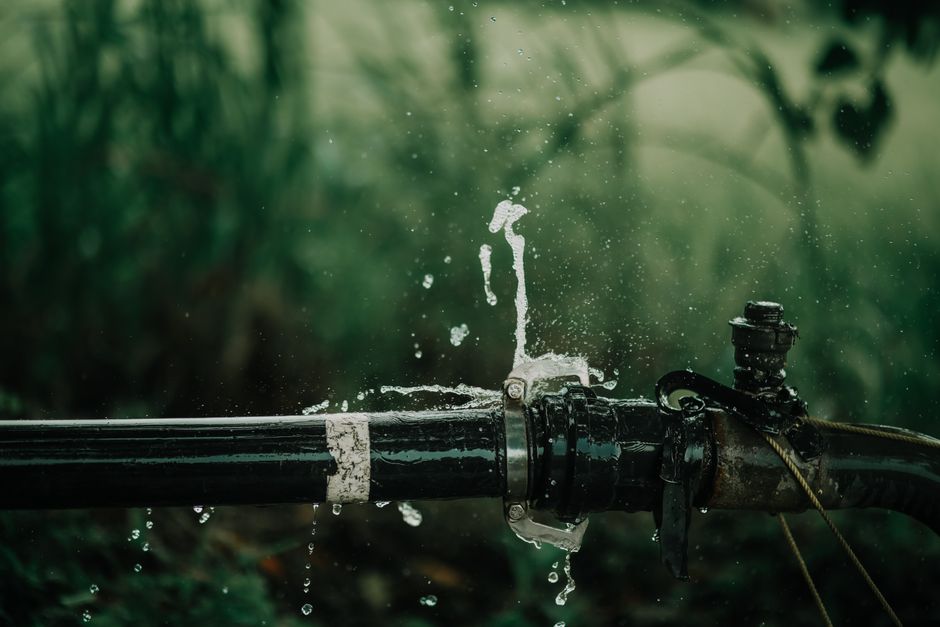
Water leak detection and repair service

Pipes don't usually crack in the middle of a straight run. When they leak, it's almost always at a joint — where two sections connect, where the pipe meets a fitting, or where the plumbing was last worked on. That's actually useful information. It tells you exactly where to look and gives you a reasonably good chance of fixing it yourself, depending on the pipe type.

The key question before you reach for a wrench: what kind of joint is it? That single factor determines whether you can fix it in 20 minutes or whether you need a plumber with a torch.

Types of Pipe Joints and Why Each One Fails

Threaded Joints

Common in older galvanized steel plumbing, supply line connections, and various fixtures. Two threaded pipes screw together with Teflon tape (PTFE tape) or pipe dope (pipe thread sealant) filling the microscopic gaps between threads.

Why they leak: The thread sealant dried out over time. It was applied too thin or not at all during a past repair. The threads are corroded or stripped. Someone overtightened and cracked the fitting.

How to fix it: Shut off water. Unscrew the joint (counter-clockwise). Clean both threaded ends of old tape or paste. Wrap the male thread end with 3–4 layers of Teflon tape, wrapping clockwise as you look at the thread end. Apply pipe dope over the tape for extra assurance. Reassemble, hand-tighten then add 1–2 turns with a wrench. Turn water back on and check.

Soldered (Sweated) Copper Joints

The standard in copper supply plumbing. A fitting is slid onto a cleaned copper pipe end, flux is applied, and solder is melted into the joint with a torch — capillary action draws it into the gap, forming a watertight seal when it cools.

Why they leak: The solder developed a pinhole from corrosion over time. Thermal expansion from hot water caused a stress crack. The original joint was poorly soldered (common in DIY work). A cold or wet pipe caused the solder to cool too quickly during a repair, leaving voids.

DIY feasibility: Resoldering copper is doable if you have a plumbing torch, lead-free solder, flux, and know how to completely dry out the pipe before soldering (residual water prevents solder from bonding). If you've never soldered pipe before, this is a job for a plumber — a poorly resoldered joint will leak immediately or fail within months.

Alternative: Push-fit fittings (SharkBite connectors) allow you to repair a copper joint without soldering. You cut out the leaking joint section, deburr the pipe ends, and push-fit connectors create a watertight seal. These cost $10–$30 per fitting and are genuinely reliable for long-term use — many plumbers now use them routinely.

Compression Fittings

Used extensively in supply lines — the flexible hoses connecting shut-off valves to faucets and toilets. A compression nut threads onto the fitting body, compressing a ferrule (a small brass ring) against the pipe to create a seal.

Why they leak: The nut isn't tight enough. The ferrule has deformed or corroded. The supply line itself has a small crack. The fittings were overtightened, deforming the ferrule past its sealing point.

How to fix it: Try tightening the nut first — 1/4 to 1/2 turn more. If it still leaks, the ferrule is likely deformed. Turn off the water, unscrew the nut, remove the old ferrule, and replace with a new one. Reassemble and test. Compression fitting components cost $3–$8. If the supply line itself is braided stainless and more than 8–10 years old, replace the whole line while you're there — they fail without warning.

PVC Glued Joints

Used in drain, waste, and vent lines. PVC primer softens both surfaces, and PVC cement chemically fuses them together — it's not adhesive, it's fusion.

Why they leak: Insufficient primer before cementing. Insufficient cement coverage. The joint was disturbed before the cement cured (typically 24 hours for full pressure resistance). Thermal stress caused the joint to pull apart slightly.

How to fix it: PVC glued joints cannot be reopened and reglued. The section must be cut out and replaced. Cut 4–6 inches of pipe on each side of the bad joint, clean the pipe ends, and install new fittings with fresh primer and cement. Alternatively, use a slip coupling to insert a new section of pipe. PVC materials are inexpensive — the challenge is access, particularly if the joint is behind a wall.

Slip Nuts and Washers (Drain Fittings)

The white or black plastic slip nuts that connect P-traps and drain assemblies use a plastic or rubber washer to seal the joint. These are hand-tightened and sealed with a tapered rubber washer.

Why they leak: The rubber washer has flattened, cracked, or is missing. The slip nut isn't fully threaded on. The plastic nut has cracked from overtightening.

How to fix it: Hand-tighten the slip nut first — overtightening cracks these plastic components. If it still drips, shut off the relevant supply, unscrew the nut, check the washer condition, and replace it if flat or cracked. Replacement washers come in multi-packs for $5. In many cases, a water leak under the sink is exactly this problem — a P-trap slip nut with a failed washer.

Temporary Fixes for Pipe Joint Leaks

If you can't make a permanent repair immediately, these temporary measures control the leak:

  • Self-fusing silicone tape — wrap tightly around the joint, 2–3 layers. Works with water pressure on. Handles small leaks at threaded or smooth-surface joints. Not a long-term fix but holds well for days to weeks.
  • Epoxy putty — two-part epoxy that you knead together and press over the dry joint. Sets hard in minutes. Water must be off and the surface completely dry for it to bond. Holds 30–90 days in most cases.
  • Pipe repair clamp — a rubber-lined metal band clamp that wraps around a straight pipe section at the joint. Available at hardware stores for $10–$25. Good for temporary control of leaking straight-run joints.

All of these buy time. None replace a proper joint repair.

The Hidden Damage From a Dripping Pipe Joint

One drip per second adds up to about 3,000 gallons per year. More immediately concerning is where that water goes. A joint that's dripping behind a wall or under a floor is steadily soaking wood framing and insulation. Wood that stays wet grows mold within 24–48 hours under the right temperature conditions. By the time you see surface signs — a soft spot in the drywall, a discolored patch — there's often already significant mold inside the wall.

If you've discovered a leaking pipe joint in a wall and there's been any amount of time (weeks or months) between the start of the leak and discovery, have the drywall opened and inspected for mold before patching. Closing over an active mold situation makes it worse and far more expensive to remediate later.

When to Call a Plumber

Call a plumber when:

  • The joint is soldered copper and you don't have torch experience
  • The joint is inside a wall, ceiling, or under a slab
  • The fitting is galvanized and corroded — the adjacent pipe sections may be weakened too
  • Tightening the fitting didn't stop the leak
  • The leak has been present for an extended period and you need a mold assessment
  • You're finding multiple joints leaking — this may indicate a system-wide pressure or corrosion issue

If the issue involves multiple leaks or recurring problems, check your home water pressure too. Anything over 80 PSI is a chronic stress source for every fitting in the system. Our team can assess, repair the joint, and check your whole supply system in one visit. Find a licensed plumber near you for same-day service, or review our guide on what to do when a pipe bursts if the leak has escalated.

Cost to Repair a Leaking Pipe Joint

Repair TypeEstimated Cost
Teflon tape + pipe dope (DIY threaded joint)$5–$15
SharkBite push-fit fitting (DIY copper)$10–$30
P-trap washer replacement (DIY)$3–$8
Plumber: accessible joint repair$150–$350
Plumber: in-wall joint repair (with access)$350–$700
Water damage remediation (if prolonged leak)$500–$5,000+

📞 Pipe Joint Leaking and You're Not Sure Where to Start?

Our licensed plumbers diagnose and repair pipe joint leaks fast. Don't let a drip turn into water damage — get it fixed today.

Call (833) 567-5795 Now

Free quote · Same-day service · Licensed & insured

Frequently Asked Questions

Why is my pipe leaking at the joint?

Pipe joints fail due to dried or improperly applied thread sealant, cracked solder joints from thermal stress or corrosion, deformed compression ferrules, or PVC joints that weren't given enough cure time. Age and high water pressure accelerate all of these failure modes.

Can I fix a leaking pipe joint myself?

Many joint leaks are DIY-repairable. Threaded joints need fresh Teflon tape and pipe dope. Compression fittings can be tightened or have their ferrule replaced. Soldered copper joints are harder — consider SharkBite push-fit fittings as an alternative. Call a plumber for inaccessible joints or corroded galvanized pipe.

Is a dripping pipe joint an emergency?

Not an immediate emergency, but urgent. Even a slow drip wastes over 3,000 gallons per year and causes ongoing structural water damage. Address it within a day or two — sooner if the drip is worsening or near electrical components.

What stops a leaking pipe joint temporarily?

Self-fusing silicone tape wraps around the joint with pressure on. Epoxy putty seals a dry surface (water off). Pipe repair clamps work on straight sections. All are temporary — they buy time for a proper repair.

How much does it cost to fix a leaking pipe joint?

An accessible joint repair costs $150–$350 for a plumber. In-wall joints requiring drywall access run $350–$700. DIY threaded joint repair parts cost $5–$15.

Can high water pressure cause pipe joints to leak?

Yes. Pressure above 80 PSI constantly stresses every joint in your system. If you're finding multiple leaking joints, test your water pressure — if it's over 80 PSI, a pressure reducing valve adjustment may stop the cycle of failures.

Related: Leak Repair.

Related: Pipe Repair.

Related: Emergency Plumber.