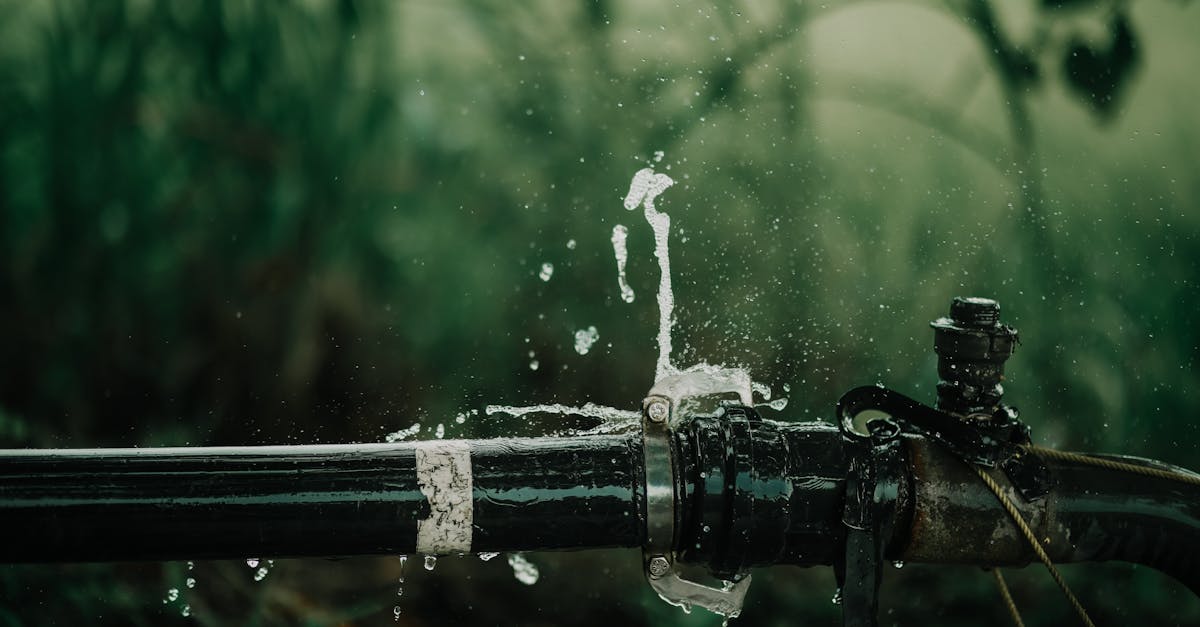
Water leaks inside walls are nightmares for homeowners. Hidden from view, they quietly destroy drywall, promote toxic mold growth, and weaken structural framing—all while your water bill skyrockets.
The key to limiting damage: fast recognition and immediate action.
Wall leaks don't fix themselves. Every hour of delay means more water absorption, more mold risk, and higher repair costs. If you suspect a wall leak, shut off water and call a plumber now.
If you're in Chicago and need a emergency plumber chicago, we've got you covered.
Warning Signs of a Water Leak in Your Wall
Visible Water Stains
Brown, yellow, or tan discoloration on walls or ceilings indicates water traveling through from above or behind. Stains spread and grow if the leak continues.
Bubbling or Peeling Paint
Moisture beneath paint causes it to bubble, blister, or peel away from the wall surface. This often appears in bathrooms, kitchens, and laundry areas where pipes run.
Damp or Soft Wall Spots
When you touch a wall and it feels damp, spongy, or softer than surrounding areas, moisture has saturated the drywall. This requires immediate attention.
Musty Odors
Persistent mildew or mold smells, especially in rooms without obvious sources, signal hidden moisture accumulation inside wall cavities.
Warped or Buckled Surfaces
Walls that appear bowed, warped, or have visible buckling indicate extensive water damage to the underlying structure.
Running Water Sounds
Hearing water trickling, hissing, or running when no fixtures are in use means water is escaping somewhere inside your walls.
Unexplained Mold Growth
Mold appearing on walls, especially in areas that don't get wet directly, suggests moisture seeping from behind the surface.
Common Sources of Wall Leaks
Supply Pipe Leaks
Cracked or corroded water supply pipes running through walls are common culprits. These leaks spray water continuously and cause rapid damage.
Plumbing Joint Failures
Where pipes connect at elbows, tees, or couplings inside wall cavities, joint seals degrade over time, causing slow drips that saturate insulation and drywall.
Drain Line Leaks
Waste pipes develop cracks or loose connections that leak water continuously. Drain leaks are particularly problematic because they introduce contaminated water into walls.
Appliance Supply Lines
Washing machines, dishwashers, and ice makers have supply lines that can fail suddenly. These connections are common leak sources.
Bathtub and Shower Enclosures
Failed grout, caulk, or pan liners allow water to escape shower and tub enclosures and run down wall cavities to lower floors.
How to Locate the Leak Source
Follow the Water Trail
Water travels downward and outward from its source. The stain location often isn't directly below the leak—the water follows pipes, wires, and joists before appearing.
Check Nearby Fixtures
Test all plumbing fixtures near the affected wall. Run showers, flush toilets, use sinks, and run the washing machine to see if the stain grows or water appears.
Turn Off Water and Monitor
Shut off your main water valve and watch the meter. If the meter continues running, the leak is on the supply side. If it stops, the leak may be from drains or appliances.
Professional Leak Detection
Our plumbers use thermal imaging cameras, moisture meters, and acoustic equipment to pinpoint leak locations precisely—minimizing unnecessary wall opening.
Need professional leak detection?
Emergency Steps for Wall Leaks
1. Shut Off Water
Turn your main shutoff valve clockwise to stop water flow to the entire house. This prevents further damage while you assess the situation.
2. Move Valuables
Remove furniture, electronics, and valuables from the affected area and rooms below if water might spread.
3. Ventilate
Open windows and use fans to begin drying. This slows mold growth while you wait for professional help.
4. Document Damage
Take photos of all water damage for insurance purposes before repairs begin.
5. Call a Plumber
Wall leak repair requires professional plumbing expertise. Don't attempt to open walls or repair pipes yourself.
Repair Process: What to Expect
Detection (1–2 hours)
Professional plumber uses thermal imaging, moisture meters, and sometimes small exploratory openings to pinpoint the exact location.
Access and Repair (2–4 hours)
Minimal section of wall is opened to access the pipe. The damaged section is repaired or replaced. Water is turned back on to verify the fix.
Wall Drying (1–3 days)
Industrial dehumidifiers and fans dry wall cavities completely. This step is critical to prevent mold growth.
Wall Repair (1–3 days)
Drywall is patched, sanded, primed, and repainted to match surrounding walls.
Cost to Repair Wall Water Leaks
| Repair Type | Cost Range | Notes |
|---|---|---|
| Leak detection | $150–$400 | Professional equipment |
| Supply pipe repair | $300–$800 | Within accessible wall |
| Drain pipe repair | $400–$1,200 | More complex |
| Wall opening/repair | $500–$2,000 | Drywall patch and paint |
| Structural repair | $1,000–$5,000 | If framing damaged |
| Mold remediation | $1,500–$6,000 | If extensive mold present |
Preventing Wall Leaks
- Inspect supply lines annually—washing machines, dishwashers, ice makers
- Maintain caulk and grout in showers and tubs
- Know your main shutoff location for fast response
- Monitor water bills for unexplained increases
- Install water leak detectors near potential leak sources
- Replace old pipes in homes over 50 years old
Frequently Asked Questions
How do I know if I have a water leak in my wall?
Signs include water stains on walls or ceilings, bubbling paint, musty odors, damp or soft wall surfaces, running water sounds when fixtures are off, and unexpected mold growth.
Can you fix a wall leak without opening the wall?
Sometimes, if the pipe is accessible from behind a removable panel or adjacent opening. However, most wall leaks require opening the wall to reach and repair the pipe, followed by professional patching.
How quickly does mold grow from wall leaks?
Mold can begin growing within 24–48 hours of water exposure. Immediate leak repair and proper drying are essential to prevent mold infestation.
How much does wall leak repair cost?
Plumbing repair: $300–$1,200. Wall repair and painting: $500–$2,000. Mold remediation if needed: $1,500–$6,000. We provide free estimates.
Is a wall leak an emergency?
Yes. Wall leaks can cause structural damage, toxic mold growth, and electrical hazards. Shut off water and call immediately if you suspect an active wall leak.