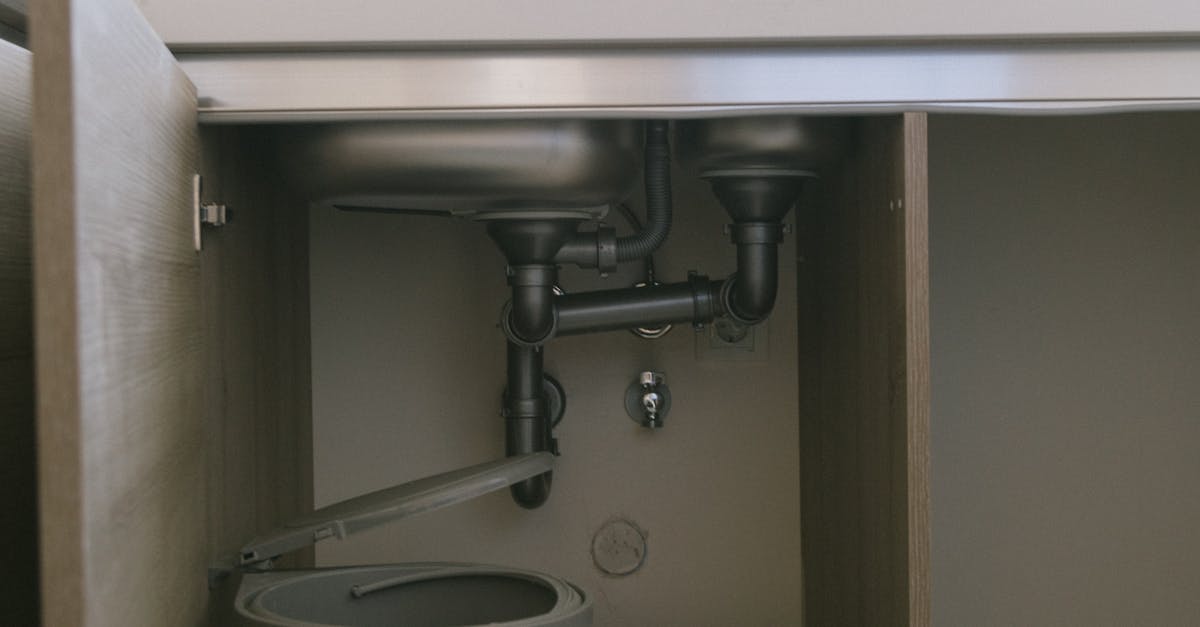
Kitchen sinks develop problems. It's not a matter of if—it's a matter of when. Water pooling instead of draining. A smell that makes you wrinkle your nose. Gurgling sounds that shouldn't be there.
This guide covers the most common kitchen sink drain problems, what causes them, and how to fix them—starting with DIY methods and ending with when to call in the professionals.
The 5 Most Common Kitchen Sink Drain Problems
1. Slow Draining
What it looks like: Water pools in the basin and takes forever to drain.
What causes it: Grease buildup on pipe walls is the number one cause. Food particles, soap residue, and hard water minerals add to the narrowing. The opening gets smaller over time until you notice the slowdown.
DIY fix: Pour 2–3 tablespoons of dish soap down the drain, follow with very hot water, wait 5 minutes, flush. For stubborn buildup, use a plunger or clean the P-trap. Full guide to fixing slow drains.
2. Complete Clog
What it looks like: Water sits in the sink and won't drain at all.
What causes it: A solid mass has formed—usually hardened grease, compacted food debris, or both. The clog forms where water flow slows: the strainer basket, the P-trap, or the tee fitting in a double sink.
DIY fix: Try plunging first (with overflow blocked). If that fails, remove and clean the P-trap. For deeper clogs, use a drain snake. Complete guide to clearing clogs.
3. Foul Smell from the Drain
What it looks like: An unpleasant smell—sometimes like sewage—comes from the drain even when the sink appears clean.
What causes it:
- Rotting food debris stuck in the drain
- A dry P-trap (the curved pipe) allowing sewer gas to enter
- Bacterial growth in the pipes
- A blocked vent pipe (less common)
DIY fix: Run hot water for 30 seconds. Pour half a cup of baking soda, then half a cup of vinegar. Wait 10 minutes, flush with boiling water. Check that the P-trap isn't dry. If smell persists, the issue is deeper.
4. Gurgling or Bubbling Sounds
What it looks like: Strange noises—gurgling, bubbling, or sucking sounds—when water drains.
What causes it: Air trapped by a partial clog. As water forces its way past the blockage, it creates air bubbles and turbulence. The gurgling sound is air being pushed and pulled through the water.
DIY fix: The noise means a partial clog is forming. Treat it like a slow drain: dish soap + hot water, then plunging. Address it now before it becomes a complete clog. Full guide to fixing drain sounds.
5. Water Backing Up into Dishwasher
What it looks like: Water comes up through the dishwasher when you run the kitchen sink.
What causes it: The dishwasher drain hose connects to the kitchen sink drain. If the sink drain is clogged, water has nowhere to go except back through the dishwasher connection. This is a serious sign—the clog is in the shared drain line.
DIY fix: Stop using the dishwasher immediately. Try plunging the sink. If that doesn't work, the blockage is past the connection point and needs professional equipment.
This is a sign you need a plumber.
Call an emergency plumber immediately if:
- Sewage smell is present and strong
- Multiple drains are affected throughout the house
- Water backs up into the tub or shower when you use the sink
- Toilets gurgle when the kitchen sink runs
- Water comes up through floor drains
- You suspect a sewer line backup
These indicate a serious problem with your home's main drain or sewer line. Call 24/7 emergency plumbing now.
Troubleshooting by Symptom
If Water Drains But Comes Back
Water that drains and then slowly fills the basin again—even without running more water—indicates a partial clog further down the pipe. The water already in the pipe is sitting against the blockage and backing up.
Fix: This needs more than plunging. Use a drain snake to reach deeper blockage. Or call a professional for camera inspection and drain cleaning.
If Only One Side of a Double Sink is Affected
The clog is in that side's strainer basket or the branch line before the tee fitting connects to the shared drain.
Fix: Block the good side with a cloth, plunge the problem side, block the overflow hole. Full guide to double sink problems.
If the Garbage Disposal Side Won't Drain
The disposal chamber may be clogged with food debris, or the discharge tube connection is blocked.
Fix: Run the disposal (if humming, it's jammed—use the reset button or hex wrench). Turn off power and clear debris with tongs. Never put your hand inside. Guide to garbage disposal problems.
If the Smell is Like Rotten Eggs
This usually means sulfur bacteria in the drain or water heater. Less commonly, it indicates a gas leak or venting issue.
Fix: Clean the drain with baking soda and vinegar. If the smell comes from the hot water only, the water heater may need service. Persistent smells need professional diagnosis.
Not sure what's causing your problem?
When to DIY vs. Call a Plumber
| Problem | Try DIY First? | When to Call |
|---|---|---|
| Slow draining | Yes | If DIY doesn't help |
| Complete clog | Yes | If plunging and P-trap cleaning fail |
| Foul smell | Yes | If smell persists after cleaning |
| Gurgling sounds | Yes | If noise continues after clearing |
| Dishwasher backup | No | Immediately—deeper issue |
| Multiple drains affected | No | Immediately—main line issue |
| Recurring clogs | No | Professional cleaning needed |
Professional Solutions for Stubborn Sink Drain Problems
When DIY methods don't work, professional plumbers have equipment that clears any drain problem:
Drain Snaking
Motorized drain snakes reach 50–100 feet into drain lines. They break through solid blockages that hand-crank snakes can't handle. Cost: $150–$300
Hydro Jetting
High-pressure water (up to 4,000 PSI) completely cleans the inside of pipes, removing grease, scale, and debris. This is the most thorough solution and prevents future clogs. Cost: $300–$600
Camera Inspection
A small camera on a flexible cable inspects the inside of drain pipes. Identifies blockages, pipe damage, root intrusion, and other hidden issues. Cost: $100–$250
Cost to Fix Kitchen Sink Drain Problems
| Service | Cost | Best For |
|---|---|---|
| DIY (soap, water, plunger) | $0–$20 | Light clogs, slow drains |
| Professional P-trap cleaning | $85–$150 | Stubborn clogs at the trap |
| Drain snaking | $150–$300 | Deeper blockages |
| Hydro jetting | $300–$600 | Heavy buildup, recurring problems |
| Camera inspection | $100–$250 | Hidden or recurring issues |
| Emergency service | $150–$300 extra | After-hours, weekends, holidays |
How to Prevent Kitchen Sink Drain Problems
The best fix is preventing the problem in the first place:
- Never pour grease down the drain—put it in a container, let it solidify, throw it away
- Use a drain strainer to catch food particles
- Scrape plates before rinsing—wipe food into the trash first
- Run hot water for 30 seconds after each use
- Never put fibrous foods (celery, corn husks, potato peels) in the disposal
- Weekly: Flush with dish soap and hot water
- Monthly: Baking soda + vinegar + boiling water
Frequently Asked Questions
What are the most common kitchen sink drain problems?
The five most common problems are: (1) Slow draining from grease buildup, (2) Complete clogs from food or grease, (3) Foul smells from rotting debris, (4) Gurgling sounds from partial blockages, and (5) Dishwasher backup when the sink runs. Each has different causes and fixes.
Why does my kitchen sink smell bad even though it drains?
Smells usually come from rotting food debris in the drain, a dry P-trap letting in sewer gas, or bacterial growth. Clean with baking soda and vinegar. Check that the P-trap has water. If smell persists, call a plumber—there may be a deeper issue.
Why is my kitchen sink draining but slowly filling back up?
Water that drains and comes back means a partial clog deeper in the line. The blockage restricts flow, and water already in the pipes backs up. This needs more than a plunger—usually a drain snake or professional cleaning.
How do I know if my sink problem is serious?
Signs of serious problems: multiple drains affected, water backing up into other fixtures, gurgling from toilets, sewage smell, or dishwasher backup. These indicate a main drain issue, not just a local sink problem. Stop using water and call a plumber.
What should I do if my kitchen sink problem is an emergency?
If water is overflowing, you smell sewage, multiple drains are affected, or you suspect a sewer backup—stop using water immediately and call an emergency plumber. 24/7 emergency service is available.