Of all the plumbing problems a homeowner encounters, toilet issues are simultaneously the most disruptive and the most embarrassing to deal with. A toilet that runs constantly. A bowl that flushes weakly. A toilet that rocks back and forth every time someone sits down. These aren't abstract plumbing concepts — they're the things that make your house feel broken.
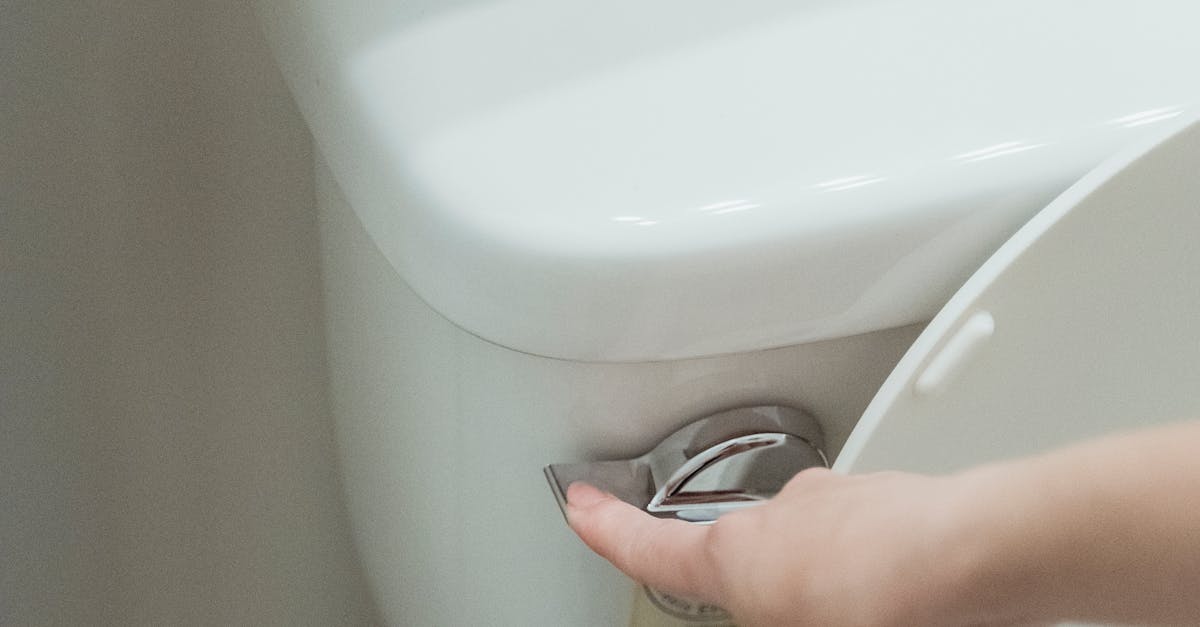
The good news: the vast majority of toilet problems are straightforward repairs that a licensed plumber can diagnose and fix in under an hour. You don't need a new toilet. You don't need a two-day project. You need the right person with the right parts to show up and fix it.
Every Toilet Problem We Fix
Toilets have fewer moving parts than most homeowners think, but those parts wear out in predictable ways. Here's what we see most often and exactly how we fix it:
Running Toilet — Won't Stop After Flushing
A toilet that runs constantly after flushing is wasting between 30 and 200 gallons of water per day. At average US water rates, that's $25–$70 a month going down the drain literally. The cause is almost always one of three things: a worn flapper that doesn't create a complete seal, a flapper chain that's caught or too short, or a fill valve that's set too high (water overflows into the overflow tube continuously).
We inspect the tank components, identify the specific failure, and replace whichever parts are needed. In most cases, a complete internal rebuild — new flapper, fill valve, and flush valve seat — costs around $100–$175 and resolves the issue permanently. If your toilet has been running continuously for days, this repair is overdue.
Toilet Won't Flush or Flushes Weakly
A toilet that requires two or three flushes to clear the bowl, or one that barely moves water, typically has one of the following issues: insufficient water in the tank (fill valve problem or water supply restriction), clogged rim jets (the small holes under the bowl rim that direct water during flushing), a partial drain clog that slows water movement through the trap, or a flapper that closes too quickly.
Our plumber will assess tank water level, inspect the rim jets, check for partial clogs, and test the flush mechanism to identify the specific cause. Many weak flush problems are solved by cleaning clogged rim jets — a fix that doesn't require new parts at all. If your toilet isn't flushing at all, we can diagnose the exact cause same-day.
Toilet Tank Not Filling or Filling Slowly
When the tank doesn't refill properly after a flush, the problem is almost always the fill valve. Fill valves wear out over years of use, develop scale buildup, or fail mechanically. This is a straightforward parts replacement. A toilet tank that won't fill can also indicate a water supply shutoff valve that's partially closed — we check both.
Toilet Leaking at the Base
Water pooling at the base of a toilet almost always means the wax ring seal has failed. The wax ring creates a watertight seal between the toilet horn and the floor flange. When this seal deteriorates, sewage water leaks onto the floor with each flush — you may notice water, or you may first notice discolored, soft flooring around the toilet base.
Wax ring replacement requires removing the toilet, scraping the old wax, replacing the ring (and flange bolts if needed), and resetting the toilet. It's not complicated, but it must be done correctly — an improper wax ring installation causes an ongoing leak under the floor that damages subfloor materials and creates mold conditions.
Rocking or Unstable Toilet
A toilet that moves or rocks when you sit on it has either loose floor bolts, a failed wax ring, a damaged floor flange, or a combination of these issues. Beyond the comfort problem, a rocking toilet is actively breaking its own wax seal with every movement. Left too long, this causes subfloor water damage and requires more extensive repair. We stabilize the toilet, replace the wax ring, and repair any flange damage found.
Clogged Toilet
Most toilet clogs are within the toilet itself — too much toilet paper, non-flushable items, or "flushable" wipes that don't actually break down. We use a professional toilet auger (not a standard drain snake, which scratches porcelain) to clear the clog without damaging the bowl. For clogs that extend into the drain line, we use appropriate line-clearing equipment.
If your toilet is backing up along with other drains in the house, the clog may be in the main sewer line — a different and more significant issue that we diagnose and address on the same call.
Toilet Plumbing Repair — Cracks and Physical Damage
Cracks in the toilet tank or bowl, damaged supply connections, and broken toilet seats are also part of our repair scope. Tank cracks often don't leak immediately but worsen over time — we assess whether repair is viable or whether replacement is the better value.
Repair vs. Replace — How We Help You Decide
Not every toilet problem warrants repair. Sometimes replacement is the smarter financial decision. Here's our honest framework for helping you choose:
Repair Makes Sense When:
- The toilet is under 15 years old and the tank and bowl are in good condition
- The issue is an internal component failure (flapper, fill valve, flush valve)
- The wax ring needs replacement but the toilet itself is otherwise solid
- You're satisfied with the toilet's flush performance and efficiency
Replacement Makes Sense When:
- The toilet is 15–20+ years old and has had multiple repair visits
- The tank or bowl is cracked
- You're on a 3.5+ gallon-per-flush older model that costs significantly more in water usage than a new 1.28 GPF model
- The floor flange is severely damaged and the toilet needs to be removed for that repair anyway
- You want a comfort-height toilet or other upgrade while you're doing the work
When we arrive for a toilet repair assessment, we'll give you an honest recommendation. If repair is clearly the right call, we'll say so. If the repair cost is within $100–$150 of what a new toilet installation would cost, we'll tell you that too and let you decide.
Toilet Installation — New Toilets Done Right
If replacement is the right move, we handle full toilet installation — including removing the old unit, inspecting and repairing the floor flange, setting the new toilet with a fresh wax ring, connecting supply lines, testing flush performance, and verifying there are no leaks.
We can install a toilet you've already purchased or help you choose an appropriate replacement based on your rough-in measurement (the distance from the wall to the floor drain center — most homes are 12 inches, but some are 10 or 14). Buying the wrong rough-in size is a common costly mistake — we verify this before you purchase anything.
What Does Toilet Repair Cost?
| Repair Type | Typical Cost | What's Included |
|---|---|---|
| Flapper replacement | $85 – $125 | New flapper, adjustment, leak test |
| Fill valve replacement | $100 – $175 | New fill valve, water level adjustment |
| Complete internal rebuild | $125 – $200 | Flapper, fill valve, flush valve seat |
| Wax ring replacement | $150 – $275 | Toilet removal, new wax ring, reset, test |
| Toilet auger / clog clearing | $100 – $175 | Professional auger, tested flush |
| Toilet installation (your unit) | $175 – $350 | Remove old, install new, flange inspection |
| Full toilet supply & installation | $350 – $700 | Includes toilet unit, all labor, disposal |
Toilet Repair Service Across the United States
We provide toilet fix and toilet plumbing repair services in hundreds of cities nationwide. Same-day scheduling is available in most metro areas. We serve homeowners in Phoenix, Scottsdale, Tempe, Mesa, Los Angeles, Pasadena, Burbank, Long Beach, San Diego, Chula Vista, Escondido, Las Vegas, Henderson, Reno, Denver, Aurora, Lakewood, Sacramento, Fresno, Bakersfield, Portland, Seattle, Tacoma, and hundreds of surrounding communities.
For homeowners in the Southwest, we have licensed plumbers available today in both Phoenix and Los Angeles — two of our highest-volume service markets for toilet repair.
Frequently Asked Questions About Toilet Repair
How much does toilet repair cost?
Most toilet repairs cost $100–$300. An internal rebuild (flapper, fill valve, flush valve) runs $125–$200. Wax ring replacement is $150–$275. A full toilet replacement with installation is typically $350–$700 all-in. We quote before starting — no surprise totals.
Why does my toilet keep running after flushing?
Almost always a worn flapper that doesn't seal, a caught or short flapper chain, or a fill valve set too high causing overflow into the overflow tube. All are inexpensive internal fixes our plumber handles in under an hour. A running toilet wastes up to 200 gallons daily — don't ignore it.
Is it better to repair or replace a running toilet?
For toilets under 15 years old with no physical damage, repair almost always wins. An internal rebuild at $125–$200 fixes 95% of running toilet problems. Replacement makes sense for very old toilets, cracked components, or chronic recurring issues.
My toilet wobbles — is that serious?
Yes. A rocking toilet means the wax ring seal is failing or the floor flange is damaged. Every movement breaks the seal further, allowing sewage water to leak under your floor. This leads to subfloor damage and potential mold. Get it stabilized promptly.
Can I fix a toilet myself?
Replacing a flapper is a reasonable DIY repair. Beyond that — wax rings, flush valves, or anything involving the floor flange — we recommend professional repair. Improper wax ring installation causes ongoing sewage leaks under flooring that are expensive to remediate later.
Why does my toilet flush weakly?
Low water in the tank, clogged rim jets under the bowl rim, a partial drain clog, or a flapper that closes too fast are the most common causes. Our plumber checks each of these systematically on the visit and identifies the exact cause before recommending any repair.